

Choosing a new hob as part of your kitchen makeover? Confused by the options and models available? Fear not! This guide will walk you through the different types of kitchen hobs, their pros and cons, and the design considerations to keep in mind.
Customers can also get personal input from our in-house kitchen designer as part of our kitchen makeover service.
Types of Kitchen Hobs
Hob type is determined first by fuel type and the choice between gas and electric. The choice of electric hobs is broken down further into solid plate, ceramic and induction options.
Gas Hobs
These are the traditional choice and a longstanding favourite of chefs in commercial kitchens and many home cooks. Gas hobs feature burners with an open flame, making it easy to change the level of heat instantly. Of course, choosing this option requires a gas supply in the location of the hob.
If you don’t have an existing supply our Gas Safe registered engineers can install one for you.
Electric Hobs
Electric hobs come in three main types: solid plate, ceramic and induction. All three options require a high voltage electricity supply and use electricity to generate heat, but differ in design, and efficiency.
Solid plate
They can be recognised by their circular raised plates which are normally in a contrasting colour. Personal opinion, but this type of hob can date a kitchen and should not be considered for modern kitchen makeovers.
Ceramic hobs
Typically, a smooth black glass surface which offers a modern aesthetic that looks more stylish whilst also being easier to clean. When turned on a red glow from the heating element beneath the glass appears with heat following shortly afterwards.
Induction Hobs
Induction hobs are the newest technology on the market and use electromagnetic fields to heat the cookware directly. While they can be hard to tell apart from regular ceramic hobs when turned off, once in use the difference is immediately obvious. Instead of a red glow you hear a click and distinct buzzing sound. Induction hobs are now only marginally more expensive than ceramic hobs while being more efficient and offering a responsiveness comparable to gas. Furthermore, they do not indirectly heat the cooking area like gas hobs and can therefore be more comfortable to use.
Dual-Fuel Hobs
These hobs combine gas and electric cooking zones, offering serious home chefs the ultimate in flexibility. For example, a dual fuel hob could offer four electric induction rings and one gas wok burner with cast iron pan supports. This set up provides ample everyday cooking needs with perfect stir fry facilities.
Pros and Cons
Gas Hobs
Electric Hobs - Ceramic and Solid Plate
Induction Hobs
Dual-Fuel Hobs
Design and Other Considerations
When choosing a hob, it’s not just about the technology. The design and practical aspects play a significant role and can at times even limit your options.
Size and Layout
Hobs come in various sizes, typically ranging from 60cm to 90cm in width. Consider your kitchen’s layout and the number of burners you’ll need. A 60 cm 4-burner hob would be considered standard, but larger families or avid cooks might prefer a 90cm 5 or 6 burner hob. If your worktop space is limited there are smaller 2 and 3 burner hobs available in 30cm and 45cm widths. These compact hobs are perfect for granny flats or studio apartments where space is at a premium.
Buttons or Knobs
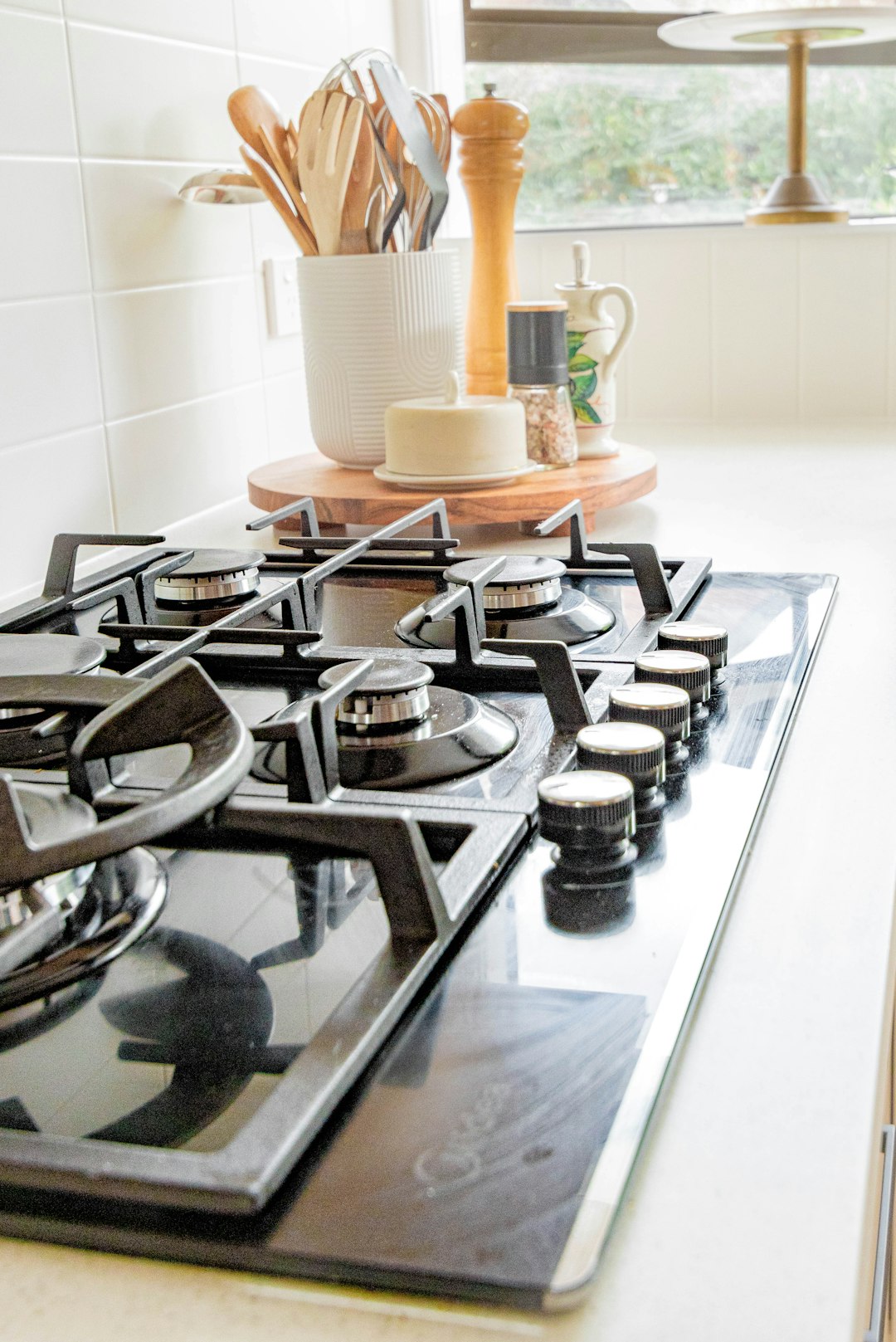
Personal opinion will no doubt influence this choice. Touch panel buttons create a sleek look and are easier to clean. However, they can also be more difficult to operate with safety features increasing the time it takes to respond to an over boiling pan. The alternative option of knobs are widely regarded as easier to use and allow fast accurate adjustment to the heating zone. However, knobs detract from the sleek look and require more time to clean properly. If you're choosing a gas hob, we recommend knobs because they do not impact the overall style of gas hobs which have raised burners and pan supports.
Ease of Cleaning
Induction and ceramic hobs are the easiest to clean due to their flat surfaces. Gas hobs will require more effort to clean due to their intricate grates and burners.
Safety Features
Look for features like automatic shut-off and child locks. Ceramic hobs should have residual heat indicators to show the surface is still hot after cooking. This is less of a concern for induction hobs, as they heat the pans directly. Therefore, the surface is much cooler during cooking and is safe to touch after. Consequently, induction hobs are regarded as the safer option and a favourite for families with children.
Energy Efficiency
While induction hobs are the most expensive of the electric hobs, research by Sweeney et al shows they have the potential to be the most energy efficient. The size of pan used can dramatically reduce the efficiency of solid plat and ceramic electric hobs. However, Sweeny et al conclude "Induction cooking technology was found to maintain high efficiency regardless of cookware size". So, if you are sold on electric the extra efficiency of induction hobs should be factored into your decision.
The research estimates gas hobs as 30% efficient and the least efficient option to choose while also being the cheapest to run. The reason for this is the difference in electricity and gas prices per kWh. Therefore, underlying motivations for energy efficiency should be considered when deciding between gas and electric hobs.
Final Thoughts - Making the Right Choice
When choosing a hob, consider your cooking preferences, style preferences, budget, and kitchen space. Here’s a quick recap:
Go for a gas hob if you want instant heat, low running costs, flexibility with cookware and are not hung up with creating a minimalist sleek style. Choose an electric hob if you prefer easy cleaning and the option of an ultra-modern completely flat cooking surface. Upgrade to an induction hob if energy efficiency, safety, and modern technology appeal to you. A dual-fuel hob will offer the best of both worlds whilst also being an impressive talking point at your next dinner party.
References
Sweeney, M., Dols, J., Fortenbery, B. and Sharp, F. (2014) Induction Cooking Technology Design and Assessment. Available at: https://www.aceee.org/files/proceedings/2014/data/papers/9-702.pdf (accessed 17th January 2025)